

The Unassuming Green Giant: A Practical Look at Sourcing Spirulina Powder from China
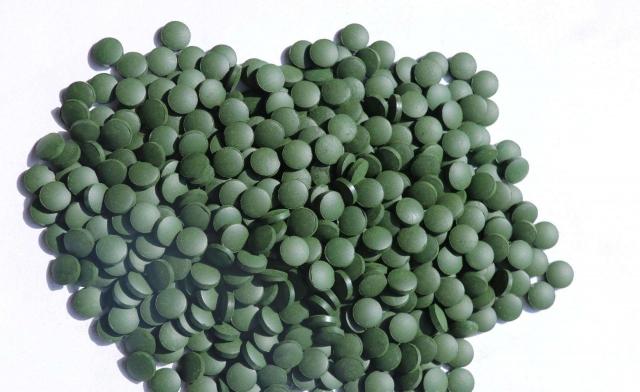
In the world of health and wellness ingredients, few names carry as much weight as spirulina. This blue-green algae has cemented its place in everything from smoothie powders to capsule supplements. For businesses, from small startups to established brands, the question isn't if spirulina is a viable product, but where to source it effectively. More often than not, the answer leads to China, one of the world's largest producers. Sourcing spirulina powder from Chinese suppliers is a significant undertaking, one filled with both clear advantages and practical considerations that demand a sober, detailed approach.
Why China Dominates the Spirulina Supply Chain
The prevalence of Chinese spirulina on the global market isn't an accident. It's the result of specific, scalable factors.
First and foremost is scale and cost. Chinese producers have mastered the art of large-scale cultivation in controlled ponds. This massive output drives down the price per kilogram to a level that smaller operations in other countries simply cannot match. For a business looking to maintain competitive retail pricing, this cost efficiency is often the deciding factor.
Secondly, the established infrastructure is a major advantage. The regions known for spirulina production, like Yunnan, have spent decades refining their processes. This isn't just about growing the algae; it's about the entire chain—harvesting, drying (often using spray-drying techniques that preserve nutrients), milling, and packaging. This vertical integration creates a streamlined and efficient pipeline from the pond to the port.
Furthermore, Chinese suppliers are typically very flexible with order volumes. While they excel at fulfilling large, container-sized orders, many are willing to work with smaller businesses on less-than-container-load (LCL) shipments. This accessibility makes them a viable option for companies at various stages of growth.
Navigating the Landscape: Quality is Not a Given
This is the most critical point to understand: the low cost of Chinese spirulina does not automatically mean low quality, but quality is not guaranteed. The market is a spectrum. On one end, you find producers adhering to strict international standards for organic and pharmaceutical-grade products. On the other, there are facilities with less rigorous controls.
The primary concern for any buyer should be contamination. Open pond systems are susceptible to environmental pollutants, including heavy metals like lead, arsenic, and cadmium. Reputable suppliers invest in rigorous water testing and purification processes to mitigate this risk. The absence of such measures is a significant red flag.
Another consideration is the processing method. The gentler the process, the more nutrients are retained. Lower-cost powder might be dried using methods that expose it to high heat, degrading its enzymatic activity and some heat-sensitive vitamins. Higher-grade powder often undergoes low-temperature spray-drying, which is better for preservation.
A Methodical Process for Sourcing
Sourcing from China requires a methodical, patient approach. It is not a process to be rushed.
-
Vet, Then Vet Again: Do not rely solely on B2B marketplace profiles. Look for suppliers with verifiable certifications. Organic certificates (USDA, EU), ISO 22000 for food safety management, and FSSC 22000 are strong indicators of a committed operation. A supplier without any third-party certifications requires much deeper scrutiny.
-
The Essential Sample: Always, without exception, request a product sample before placing an order. Evaluate its physical properties: the color should be a consistent, deep blue-green; the aroma should be mildly oceanic, not fishy or foul; and it should mix well without excessive grittiness.
-
Independent Lab Analysis: This is your most powerful tool. Before finalizing a large order, send the sample to an independent, third-party laboratory for analysis. The report should confirm the nutritional profile (protein content) and, crucially, test for heavy metals, microbial counts (like E. coli and Salmonella), and pesticide residues. This report is your objective quality assurance.
-
Clear Communication is Key: Be explicit in your requirements. Discuss packaging options (foil-lined bags to prevent oxidation, bulk sacks), labeling, and the specifics of the product grade you need. Misunderstandings in these areas can lead to costly delays and disappointment.
-
Understand the Total Cost: The price per kilogram from the factory is only part of the story. You must factor in shipping, import duties, insurance, and port fees. Work with a reliable freight forwarder who can provide a clear breakdown of these landed costs. This will give you a true picture of your investment.
Building a Relationship
Successful sourcing is often about building a business relationship. A good supplier is a partner. Consistent communication, clear expectations, and fair dealings can lead to better service, priority during shortages, and more cooperative problem-solving when issues inevitably arise.
Sourcing spirulina powder from China is a viable and economically sound strategy for many businesses. It offers access to a product grown with immense efficiency and scale. However, the path is paved with the need for rigorous due diligence. The low entry price must be balanced with a proactive investment in verification and quality control. By approaching the process with a clear-eyed, meticulous strategy, businesses can secure a supply of this potent green powder that is not only cost-effective but also safe, reliable, and of high quality.